
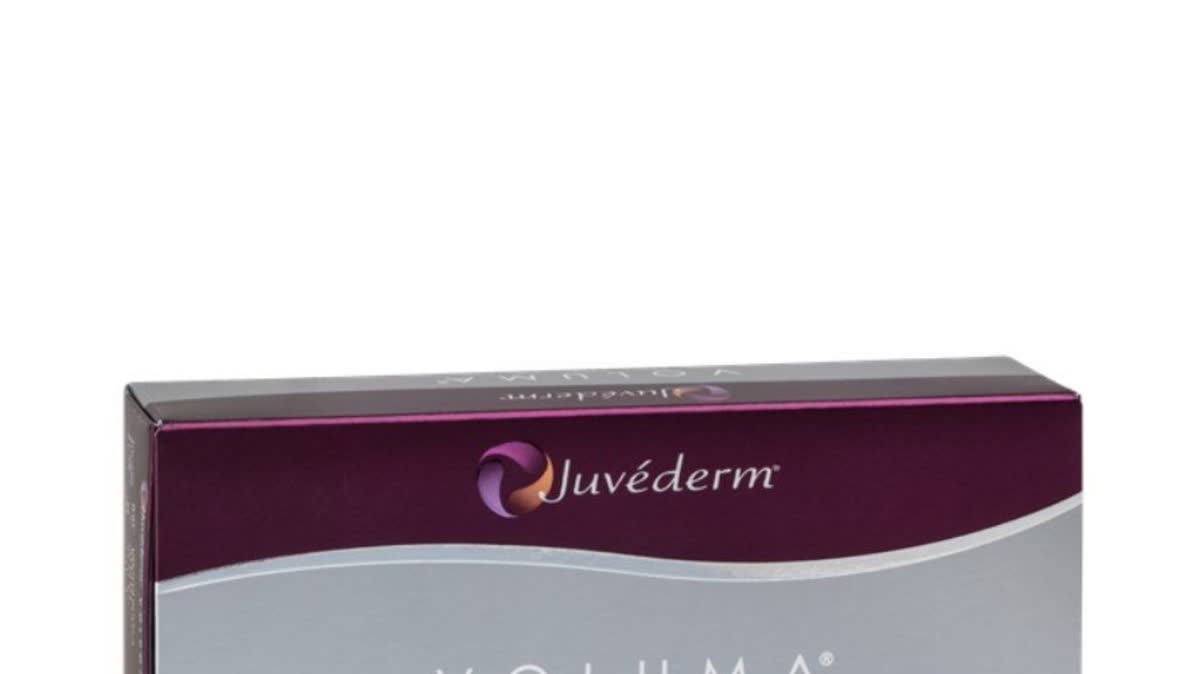
How Do Juvelook, Sculptra, and Radiesse Differ? A Doctor's Comparison
Juvelook, Sculptra, and Radiesse are injectable treatments used to stimulate collagen production or provide structural support, but their ingredients, mechanisms of action, and timelines for visible results differ. Juvelook focuses on improving skin quality from within, Sculptra focuses on longer-term collagen stimulation to support facial contours, and Radiesse provides immediate volume alongside ongoing collagen stimulation. The choice depends on your goals, treatment areas, and individual skin condition, which should be assessed with a doctor before you decide.
Key points
- Juvelook contains PDLLA and focuses on improving skin quality and stimulating collagen for subtle results. It may suit skin showing signs of deterioration and fine to moderate wrinkles.
- Sculptra contains poly-L-lactic acid and stimulates collagen production over time. Results develop gradually, and it may suit facial hollowing associated with fat and collagen loss.
- Radiesse contains calcium hydroxylapatite particles and provides immediate volume alongside ongoing collagen stimulation. It may suit areas requiring structural support, such as the chin and nasolabial folds. Use in the nasal bridge requires particular caution and assessment by a doctor.
- These three products contain different substances and are not fully interchangeable. A doctor may consider combining treatments according to each person's treatment areas and goals.
- Results and their duration vary by individual, depending on factors such as metabolism, lifestyle, and the amount injected. An in-person assessment by a doctor is therefore important before deciding.
Understanding the Difference Between Dermal Fillers and Collagen Biostimulators
Before comparing Juvelook, Sculptra, and Radiesse, it helps to understand two broad categories of injectable treatments: dermal fillers, such as hyaluronic acid, which provide immediate volume through the injected material itself; and collagen biostimulators, which primarily encourage the body to gradually produce collagen rather than relying on the material alone to add volume. This distinction matters because it affects when results become visible and the type of results you can expect.
Sculptra and Juvelook are primarily classified as collagen biostimulators, while Radiesse has both volumizing and collagen-stimulating effects. Its calcium hydroxylapatite particles, suspended in a gel carrier, provide immediate volume in a manner similar to conventional fillers. As the carrier gel breaks down, the particles continue to stimulate collagen production. Understanding these basic mechanisms can help you set realistic expectations before exploring each product in more detail.
What Is Juvelook, How Does It Work, and Who Might It Suit?
Juvelook contains poly-D,L-lactic acid (PDLLA) combined with hyaluronic acid. It stimulates fibroblasts in the skin to produce collagen and helps support skin hydration. Juvelook is generally used to achieve subtle, natural-looking improvements in overall skin quality, addressing concerns such as tired-looking or dull skin, enlarged pores, and fine to moderate wrinkles, rather than making pronounced changes to facial structure.
Juvelook may suit people with early signs of skin deterioration who want their skin to look healthier without a noticeable change in facial shape. For those with pronounced facial hollowing or a need for substantial volume in specific areas, it may not address their goals as fully as Sculptra or Radiesse. A doctor should assess these considerations alongside the person's actual skin condition.
What Is Sculptra, How Does It Work, and Who Might It Suit?
Sculptra contains poly-L-lactic acid (PLLA), a biodegradable synthetic substance that encourages the body to gradually produce type I collagen over several weeks to months. Its intended results therefore develop progressively rather than appearing immediately as they can with conventional fillers. As collagen builds up, the skin and facial contours may appear naturally firmer and fuller. Results can be long-lasting and may outlast those of some hyaluronic acid fillers, although duration varies by product, treatment area, and individual. Its effects rely on collagen formation rather than volume from the injected material alone.
Sculptra may suit people with facial hollowing, sunken cheeks, or deep nasolabial folds associated with age-related loss of subcutaneous fat and collagen. It is often used across broader areas, such as both cheeks, and sometimes on the body, depending on the treatment indication and a doctor's assessment. It may not suit those seeking visible results from a single session or precise correction of a small area, such as the nasal tip or chin, because results take time and multiple sessions are often needed. People with a history of allergic reactions or abnormal lumps should inform their doctor before considering treatment.
What Is Radiesse, How Does It Work, and Who Might It Suit?
Radiesse consists of calcium hydroxylapatite (CaHA) particles suspended in a biocompatible gel carrier. When injected, it can provide immediate volume and structural support. As the carrier gel is naturally absorbed, the remaining CaHA particles act as a scaffold that encourages fibroblasts to produce collagen around the treated area. It therefore offers both an initial volumizing effect and longer-term effects from collagen stimulation.
Because of its relatively firm consistency and ability to provide support, Radiesse may be considered for areas requiring definition, such as the chin or jawline, as well as the backs of the hands where age-related volume loss has occurred. The nasal bridge requires particular caution because injections in this area carry serious vascular risks. Radiesse may suit people seeking an initial visible change alongside longer-term collagen stimulation. However, its firm consistency generally makes it unsuitable for very thin-skinned areas such as under the eyes. A doctor should assess the suitability of each proposed injection site.
A Direct Comparison: When Results Appear, How Long They Last, and Suitable Treatment Areas
Of the three products, Radiesse generally produces visible changes sooner because it provides immediate volume. Juvelook produces more gradual changes as skin quality improves and collagen stimulation develops over the following weeks. Sculptra generally requires several weeks to months for more noticeable results because it primarily relies on the body's collagen production. Sculptra can provide long-lasting results through collagen formation, while the duration of Juvelook and Radiesse results also depends on factors such as the treatment area and amount injected. Results and their duration vary by individual.
Juvelook is commonly used across the face to improve overall skin quality. Sculptra may suit broader areas requiring restoration of facial fullness after volume loss, while Radiesse may suit areas requiring structural support and definition. In practice, a doctor may consider using more than one product within a treatment plan to address both skin quality and facial structure. This requires an individual assessment of the person's skin and treatment needs.
Who May Be Unsuitable for Collagen Biostimulators and Fillers, and What Precautions Are Needed?
Before considering these injections, always tell your doctor if you have a severe allergy to any product ingredient, a history of keloids or a tendency to develop abnormal lumps, are pregnant or breastfeeding, have an infection at the intended injection site, or have a condition affecting blood clotting. These factors may make treatment unsuitable or require adjustments to the treatment plan. Possible side effects include swelling, redness, bruising, and temporary palpable lumps under the skin. Some reactions improve within a few days, but lumps or persistent symptoms may require assessment by the treating doctor.
These injections require a sound understanding of facial anatomy and precise technique. This is particularly relevant to Radiesse because of its relatively firm consistency, and to Sculptra because it requires appropriate reconstitution and specific injection techniques to reduce the risk of nodules. Injections performed without adequate expertise may increase the risk of uneven results and other complications. Treatment should therefore be performed by a licensed doctor with direct experience using these products.
Questions to Ask Your Doctor Before Choosing a Product
Before choosing Juvelook, Sculptra, or Radiesse, discuss which product is appropriate for your current skin condition and facial structure, how many sessions may be needed to work toward your goals, how far apart sessions should be scheduled, what results are realistically achievable, and whether any personal health conditions require special precautions. Clear answers from the doctor assessing you can help align expectations and make budgeting more informed.
You should also ask about aftercare, including which activities to avoid initially, which symptoms are expected, and which require medical review. Ask directly about the treating doctor's qualifications and experience. At Mediqueen Clinic, these injectable treatments are provided under the supervision of a doctor holding Thai medical license number 37670, who assesses each patient's skin condition and facial structure before developing a treatment plan.
Choosing an Approach That Fits Your Goals
If your main goal is a subtle improvement in skin quality and a healthier-looking appearance, Juvelook may be an option. If you want to address facial hollowing associated with age-related collagen loss and are comfortable waiting for gradual results, Sculptra may be appropriate. If you are seeking more defined contours with an initial visible change after injection, Radiesse may be considered. However, choosing an appropriate treatment requires an in-person assessment by a doctor, alongside information you have read.
For people in Pattaya and nearby areas, an in-person consultation allows a doctor to examine the skin, assess the degree of facial volume loss, and develop a treatment plan with you more accurately than relying on photographs or general information alone. The final results of these treatments depend on several individual factors. Openly discussing your health history and actual goals with your doctor is a useful starting point for an informed decision.
FAQ
Can Juvelook, Sculptra, and Radiesse be used together?
In some cases, a doctor may consider using more than one product within a treatment plan, such as one to improve skin quality and another to provide structural support. This decision requires a direct assessment of the individual's skin condition and health by a doctor. You should not decide to combine treatments without first consulting a doctor.
Which product lasts longer?
Sculptra can produce long-lasting results by stimulating the body's own collagen production. The duration of Juvelook and Radiesse results also varies according to the treatment area and amount used. Actual longevity depends on metabolism and other individual factors, so the relative duration cannot be predicted with certainty for every person.
How painful are the injections, and how soon will I see results?
Discomfort during injection varies by individual. Doctors commonly use local anesthesia to help reduce discomfort. Radiesse generally produces visible changes sooner because it provides immediate volume, while Juvelook and Sculptra results develop gradually over several weeks to months as collagen stimulation takes effect.
What side effects should I watch for?
Possible side effects include swelling, redness, bruising, and temporary palpable lumps under the skin. Some reactions improve within a few days, while persistent lumps may require medical assessment. If you develop severe swelling or redness, unusually intense pain, or lumps that do not resolve over time, contact the treating doctor promptly for assessment.
How should I choose a clinic and treating doctor?
Choose a licensed doctor with direct experience administering these products, as their mechanisms of action and injection techniques differ. A skin assessment and treatment plan developed by an appropriately experienced doctor can help reduce risks and align the expected results with your goals.
⚠️ Results vary by individual · general information, not personal medical advice · please consult a doctor before deciding.
Free consultation on LINE