
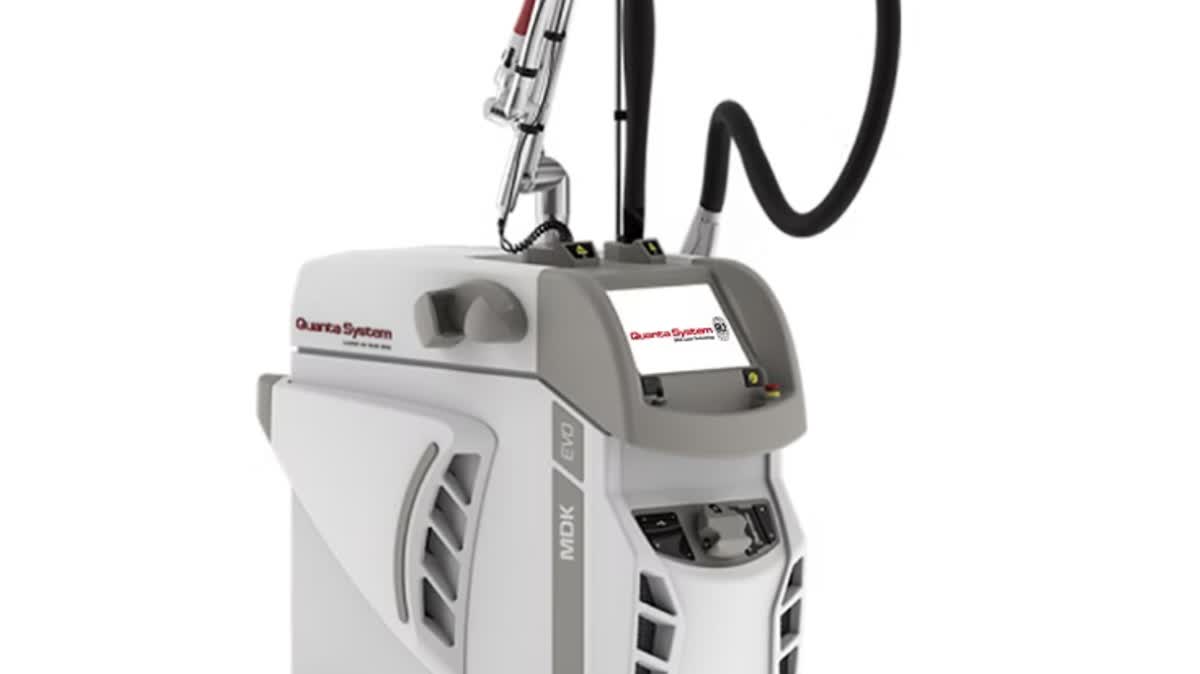
Pico vs. Q-Switch Lasers: A Doctor Explains the Differences in Pigmentation Treatment
Pico and Q-Switch are different generations of laser technology used to treat pigmentation. Their main difference is pulse duration. Nanosecond Q-Switch lasers break down pigment through thermal and mechanical effects, while Pico lasers deliver shorter, picosecond pulses that emphasize mechanical pressure waves (the photoacoustic effect). These pulses may break pigment into finer particles while limiting heat spread to surrounding skin. This can make Pico an option for resistant pigmentation and sensitive skin in certain cases, but it does not mean Pico is suitable for everyone. A doctor must assess the type and depth of pigmentation before selecting the technology appropriate for each individual.
Key points
- Nanosecond Q-Switch lasers break down pigment through thermal and mechanical effects. Pico lasers use shorter, picosecond pulses with a greater emphasis on mechanical effects, which may limit heat spread to surrounding skin.
- Pico may be suitable for treatment-resistant or deeper pigmentation and multicolored tattoos, depending on the laser wavelength. Q-Switch remains an option for superficial freckles and common dark spots.
- The choice of technology should depend on the type, depth, and location of pigmentation, rather than simply on which technology is newer.
- Both treatments can cause side effects, including redness, mild swelling, or temporary darkening of pigmentation in some individuals. Follow your doctor's aftercare instructions carefully.
- Results vary by individual. Consult a doctor to assess your skin and plan an appropriate number of sessions before deciding on treatment.
How Pico and Q-Switch Laser Mechanisms Differ
The key difference between these laser categories is pulse duration, or how long each burst of laser energy lasts. Nanosecond Q-Switch lasers deliver pulses measured in billionths of a second. Pigment absorbs the laser energy, producing rapid heating and mechanical stress that help break it down. The heat-related component is known as the photothermal effect. This technology has a long history in dermatological laser treatment, with substantial accumulated clinical evidence, although outcomes vary.
Pico lasers shorten pulse duration further to the picosecond range, measured in trillionths of a second. Delivering energy over such a short period places greater emphasis on mechanical pressure waves, known as the photoacoustic effect. These waves can fragment pigment into finer particles while limiting heat diffusion into surrounding tissue. This is why doctors may describe Pico as gentler on the skin in certain situations: the difference relates to how energy interacts with pigment, rather than necessarily to a lower energy level.
However, these differences do not mean that one technology is more suitable in every case. Individual devices and wavelengths differ in their ability to target pigment of different colors and at different depths. Doctors must therefore consider both pulse duration and wavelength, rather than making a decision based solely on the name Pico or Q-Switch.
Which Types of Pigmentation May Respond to Each Technology?
Superficial freckles and sun-related dark spots in the upper layers of the skin often respond to both Q-Switch and Pico because the pigment is relatively shallow and well defined. Deeper pigmentation, such as nevus of Ota, and tattoos containing multiple colors or layers may require particular wavelengths and repeated sessions to break down pigment so the body can gradually clear it. Café-au-lait macules are another type of pigmented lesion, although their pigment is generally located in the epidermis rather than deep in the skin, and their response to treatment can vary. Pico may be considered for some of these concerns because of its ability to fragment pigment into small particles.
Melasma requires particular caution with either technology because it involves pigment-producing cells that are sensitive to stimulation. Excessive energy or overly frequent treatment may worsen melasma rather than lighten it. Both Q-Switch toning and Pico toning generally use low energy settings and may involve repeated sessions. A doctor must individualize the treatment intervals and monitor the skin closely throughout the course, as repeated toning can also cause pigment changes.
For post-acne dark marks or other post-inflammatory hyperpigmentation (PIH), either technology may help lighten pigmentation in selected cases, but lasers do not address the underlying cause of inflammation and can sometimes worsen pigmentation. If inflammatory acne continues to recur, the results of pigmentation treatment may also be limited. Doctors therefore often recommend controlling the underlying cause alongside any laser treatment.
Who May Be Suitable for Pico or Q-Switch?
Doctors may consider Pico for individuals with resistant pigmentation that has faded slowly after several Q-Switch sessions, those seeking removal of multicolored tattoos, or those concerned about heat sensitivity and post-treatment redness. Its photoacoustic effects can limit heat spread into surrounding tissue, and recovery may be shorter with certain treatment settings. Some Pico systems also offer specialized handpieces designed to stimulate collagen remodeling, which may help improve skin texture alongside pigmentation treatment.
For individuals with common superficial dark spots, a limited budget, or a preference to assess their skin's initial response to treatment, Q-Switch remains an option supported by longstanding clinical experience and is available at many clinics. Its suitability depends on the particular concern being treated. The choice should reflect each person's pigmentation and goals, rather than simply the age of the technology.
Tell your doctor before any laser treatment if you have sunburn, open wounds, or an infection in the treatment area, or if you are pregnant or breastfeeding, as treatment may need to be postponed or adjusted. Individuals with a history of keloid scarring should also undergo an additional risk assessment before deciding on treatment.
Treatment Sensations, Recovery Time, and Side Effects
Both laser treatments can feel similar to a rubber band snapping against the skin. Discomfort depends on the energy settings and treatment area, as well as the technology used. Clinics may apply a topical anesthetic beforehand to reduce discomfort and adjust treatment settings according to each individual's skin response.
Redness or warmth may occur during the first few hours after treatment. Some individuals may develop pinpoint spots of bleeding under the skin (petechiae) or small areas of crusting, particularly with higher-energy treatment for tattoos or pigmented birthmarks. These effects often settle over several days, although healing time varies. Another possible side effect is post-inflammatory hyperpigmentation, especially in darker skin tones or skin prone to inflammation. This may gradually fade with appropriate skincare and careful sun protection, but it can persist in some cases.
Applying sunscreen and avoiding intense sun exposure after treatment are essential parts of care, particularly in areas with strong sunlight throughout the year, such as Pattaya. Unprotected sun exposure after laser treatment can contribute to renewed or worsening pigmentation. Doctors therefore place particular emphasis on sun protection for people who spend substantial time outdoors.
Number of Sessions and Long-Term Value
Common superficial pigmentation may begin to show changes within the first few sessions. Deeper, resistant, or multilayered pigment often requires multiple treatments spaced apart, whether Pico or Q-Switch is used. The body needs time to gradually clear fragmented pigment between sessions. Expecting gradual improvement is therefore more realistic than expecting a substantial change after a single treatment.
Pico generally costs more per session than Q-Switch because of differences in equipment technology and maintenance costs. In some cases of resistant pigmentation, Pico may require fewer sessions to reach a comparable treatment goal, so the total course costs may be closer than the per-session prices suggest. Value should therefore be assessed in terms of the overall treatment course and expected response, rather than the price of one session alone.
Factors affecting the number of sessions include pigment depth and quantity, genetic factors influencing the skin, skincare during treatment, and consistent sun protection. Following your doctor's skincare advice and protecting the skin from sunlight can support treatment progress, although results vary by individual.
Pigmentation Laser Options at Mediqueen Clinic Pattaya
Mediqueen Clinic offers the Starderm® Pico program at THB 7,999 as an option for those considering Pico technology for pigmentation concerns. A doctor assesses the skin before each treatment and oversees care. The doctor determines whether and how Pico may be appropriate for the pigmentation present before selecting energy settings and an individualized treatment plan.
The clinic also offers the Pico Starderm Filler program at THB 7,999 for those interested in addressing skin quality alongside pigmentation. Consult a doctor about the details of each program and its suitability for your skin before deciding. The listed prices may be subject to conditions or change over time, so confirm the latest details directly with the clinic.
Choosing an appropriate program depends on a doctor's assessment of your skin, rather than the program name alone. Interested individuals should arrange a consultation so the doctor can plan the number of sessions and energy settings suited to their particular pigmentation.
Questions to Ask Your Doctor and Precautions to Consider
Before starting treatment, ask your doctor what type of pigmentation you have, how deep it is, why the recommended technology is suitable, approximately how many sessions may be needed, and whether there are any limitations or side effects requiring particular attention. Clear answers before treatment can help you set realistic expectations.
Tell your doctor about any chronic skin conditions, including vitiligo, an active flare of atopic dermatitis, or a history of unusual sensitivity to light. Energy settings may need to be adjusted, or treatment may need to be postponed. Laser treatment should also be avoided while the skin is sunburned or actively inflamed, as these conditions may increase the risk of side effects.
At Mediqueen Clinic, all pigmentation laser programs are supervised by a doctor (Thai medical license no. 37670), from the initial skin assessment through post-treatment follow-up. This helps guide the choice of technology and energy settings according to each individual's skin condition. Results vary by individual and depend on factors such as the type of pigmentation, genetics, and adherence to aftercare.
FAQ
Is Pico more or less painful than Q-Switch?
Discomfort depends on the energy settings and treatment area, rather than on the technology alone. Some individuals report less warmth with Pico, which may relate to its shorter pulses and reduced heat spread into surrounding tissue. However, sensations vary by individual. A topical anesthetic may be used to help reduce discomfort during treatment.
Which technology is more suitable for melasma and freckles?
Superficial freckles may respond to either technology. Melasma requires particular caution because it involves pigment-producing cells that are sensitive to stimulation. When laser treatment is appropriate, doctors may use low-energy Pico or Q-Switch toning over a series of sessions. Treatment frequency must be individualized, with close monitoring throughout the course to watch for worsening pigmentation or other pigment changes.
How many sessions are needed to see noticeable results?
This depends on the type, depth, and amount of pigmentation in each individual. Superficial pigmentation may show changes sooner than deeper or treatment-resistant pigmentation, which often requires multiple sessions spaced apart to allow the body to gradually clear fragmented pigment. A doctor will assess your skin and plan an appropriate number of sessions. Results vary by individual.
How should I care for my skin after pigmentation laser treatment?
Apply sunscreen consistently and avoid intense sunlight, particularly in areas with strong sun throughout the year, such as Pattaya. Avoid picking or scrubbing the treated area, and follow your doctor's aftercare instructions. If you develop unusual symptoms, such as excessive swelling or redness, or pus-filled bumps, seek prompt medical review.
Why do Pico and Q-Switch prices differ?
The difference largely reflects the complexity of the equipment and its maintenance costs. Pico generally costs more per session, but some cases of resistant pigmentation may require fewer sessions to reach a comparable treatment goal. Assess value based on the overall treatment course and expected results, together with your doctor's advice.
⚠️ Results vary by individual · general information, not personal medical advice · please consult a doctor before deciding.
Free consultation on LINE