
RF vs. HIFU for Skin Tightening: A Doctor Explains the Differences
RF (Radiofrequency) and HIFU (High-Intensity Focused Ultrasound) are nonsurgical skin-tightening technologies that work through different mechanisms. RF uses radiofrequency energy to generate heat and stimulate collagen in superficial to middle skin layers, depending on the device. It may suit mild skin laxity and concerns about skin texture. HIFU uses focused ultrasound energy to target specific depths, potentially reaching the SMAS, a tissue layer addressed during facelift surgery. It may therefore be suitable for more noticeable skin laxity. The choice depends on the degree of laxity and each person's goals.
Key points
- RF targets superficial to middle skin layers, depending on the device, and may be suitable for improving skin firmness and early skin laxity.
- HIFU can reach the deeper SMAS layer and may be suitable for more noticeable skin laxity and lifting facial contours.
- Results from both treatments generally develop gradually over 4–12 weeks as new collagen forms; full results are not immediate.
- The choice of technology should follow an in-person skin assessment by a doctor, rather than being based on trends or technology names.
- Both treatments require precautions for certain patients, including those with implanted metal or electronic stimulation devices and those who are pregnant.
How RF (Radiofrequency) Works
RF delivers radiofrequency energy through a treatment applicator placed directly against the skin. The tissue's resistance to the electrical current generates heat in the dermis. At appropriate temperatures, this heat can cause existing collagen fibers to contract and stimulate fibroblasts to produce new collagen and elastin over time. These processes may gradually improve skin firmness and texture.
A feature of RF is its ability to distribute heat over a relatively broad area, making it suitable for addressing overall skin quality, such as mild facial laxity, enlarged pores, or age-related loss of elasticity. Treatment typically feels warm or hot but tolerable. Most people require little to no downtime and can resume their usual activities shortly afterward.
RF comes in several forms, including monopolar, bipolar, and multipolar systems. The depth reached varies according to the device and applicator. A doctor should therefore select the device and treatment settings to suit each person's skin. Not all RF devices produce the same results.
How HIFU (High-Intensity Focused Ultrasound) Works
HIFU focuses ultrasound energy at specific points beneath the skin, generating localized heat in deeper tissues while aiming to spare the skin's surface. Depending on the device and treatment depth, it can target the SMAS (Superficial Musculoaponeurotic System), a fibromuscular tissue layer connected to the facial muscles. This layer is addressed during surgical facelifts. HIFU can therefore target deeper structures for facial lifting than some superficial RF treatments.
Because HIFU delivers energy to individual focal points, accurate placement is essential. The doctor must understand the anatomy of facial nerves and blood vessels to avoid vulnerable areas. During treatment, patients may feel brief tingling sensations or a dull ache at each treatment point, often more noticeable than with conventional RF. Some clinics adjust the energy settings or use local anesthesia to improve comfort.
HIFU may be used to target areas such as beneath the chin, along the jawline, or around the outer brow, whereas RF often treats broader areas of skin. HIFU may be more appropriate for moderate or more noticeable laxity than for very mild laxity, for which RF may provide sufficient improvement.
A Closer Comparison: Treatment Depth, Energy Delivery, and Sensation
The main differences between RF and HIFU are the depth reached and the way energy is distributed. RF generally distributes heat across a broader area within the dermis, although its depth depends on the device. HIFU concentrates energy into small focal points at selected depths, which may include subcutaneous tissue or the SMAS. Choosing between them depends on which tissue layers contribute to the patient's concerns, rather than which technology is "superior."
RF often produces a more comfortable warming sensation because the energy is distributed across an area. HIFU may cause localized tingling or a dull ache where energy is delivered at depth, particularly over bony areas such as the jawline. Differences in discomfort are one factor patients may consider alongside their expectations and budget.
Aftercare is another consideration that is sometimes overlooked. Noninvasive forms of both treatments generally leave no open wounds and involve little downtime. However, some people may experience localized swelling or tenderness for slightly longer after HIFU than after RF because of its effects on deeper tissues. The doctor should explain the symptoms patients may experience before treatment.
Who May Be Suitable for RF or HIFU?
RF may be suitable for people with early signs of skin laxity, rough texture, enlarged pores, or reduced facial firmness without pronounced sagging. It may also suit those seeking treatment over a broad area, such as the face or neck, and those who prefer a more comfortable treatment experience. It may be incorporated into a longer-term skin care plan alongside other procedures.
HIFU may be suitable for people with more noticeable laxity, particularly along the jawline, beneath the chin, or in sagging cheeks, who want to improve facial contours without surgery. This may include older people experiencing a loss of elasticity in deeper tissues. However, HIFU is not suitable for everyone with substantial laxity. Severe sagging may warrant a discussion about surgery with an appropriate specialist.
For those unsure about the degree of their skin laxity, a doctor's assessment of tissue structure, elasticity, and the areas of sagging is an essential step. In some cases, combining RF and HIFU within a treatment plan may address a wider range of concerns than using either technology alone.
Results, Time to Improvement, and Treatment Frequency
The full results of RF and HIFU are not immediate because a key mechanism is stimulating new collagen production, a biological process that takes time. With RF, improvements may gradually become noticeable over approximately 4–8 weeks. With HIFU, improvements may develop over approximately 8–12 weeks as the treated tissues respond. Timing varies by device and treatment protocol. Results vary by individual and depend on skin condition, age, and aftercare.
Some RF treatments are recommended as a series, for example every 2–4 weeks initially, followed by maintenance sessions. The appropriate schedule depends on the device and treatment intensity. HIFU sessions are generally spaced farther apart to allow time for the tissues to respond. Unnecessarily frequent treatment does not necessarily improve results and may increase the risk of irritation or other adverse effects.
The effects of both technologies may last for a period of time, but they are not permanent because age-related collagen loss continues. Home skin care, sun protection, and maintenance treatments at intervals recommended by a doctor may help prolong the results.
Precautions and Possible Side Effects
Although RF and HIFU are nonsurgical procedures that can generally be performed safely by experienced doctors with appropriate patient selection and settings, side effects can occur. These include redness, mild swelling, or tenderness in the treated area, which often resolve within a few days. Less common complications include thermal burns from inappropriate energy delivery and temporary numbness after HIFU if energy affects nearby nerves.
People who may require particular precautions or need to avoid treatment include those with a pacemaker or metal implants in the treatment area, those who are pregnant, those with active skin inflammation or open wounds in the area, and those with certain uncontrolled chronic skin conditions. Restrictions depend on the technology and device. A doctor must review the patient's medical history thoroughly before each procedure.
Patients should also take care when choosing a provider, particularly if treatment is offered by someone who is not a doctor or uses equipment that does not meet applicable standards. Poorly controlled thermal energy can cause unwanted adverse effects. These treatments should be performed under the care of a licensed doctor with a thorough understanding of facial anatomy.
Questions to Ask Your Doctor Before Deciding
Before choosing RF or HIFU, ask your doctor to explain the degree of your skin laxity and which technology is more appropriate for your goals. You can also ask which device will be used, what energy settings are planned, and why those settings suit your skin. Different devices and settings can affect both results and the treatment experience.
Other important questions concern your individual safety: whether any medical conditions or medications could affect treatment, how long to wait before or after other procedures such as botulinum toxin or filler injections, and what aftercare restrictions apply, including sun protection and avoiding excessive heat. Discussing these questions helps patients plan appropriately and reduce avoidable risks.
Finally, ask what results are realistically achievable for your skin rather than relying on idealized advertising images. Results vary by individual. An open discussion with your doctor before deciding can help align expectations with likely outcomes.
Skin Care in Pattaya and Related Treatment Considerations
For people living or working in Pattaya, where strong sunshine and hot weather are common throughout much of the year, aftercare following RF or HIFU deserves particular attention. Sun protection is especially important while the skin recovers from heat-based treatment. Choosing a clinic where a doctor provides individualized aftercare advice is therefore an important consideration.
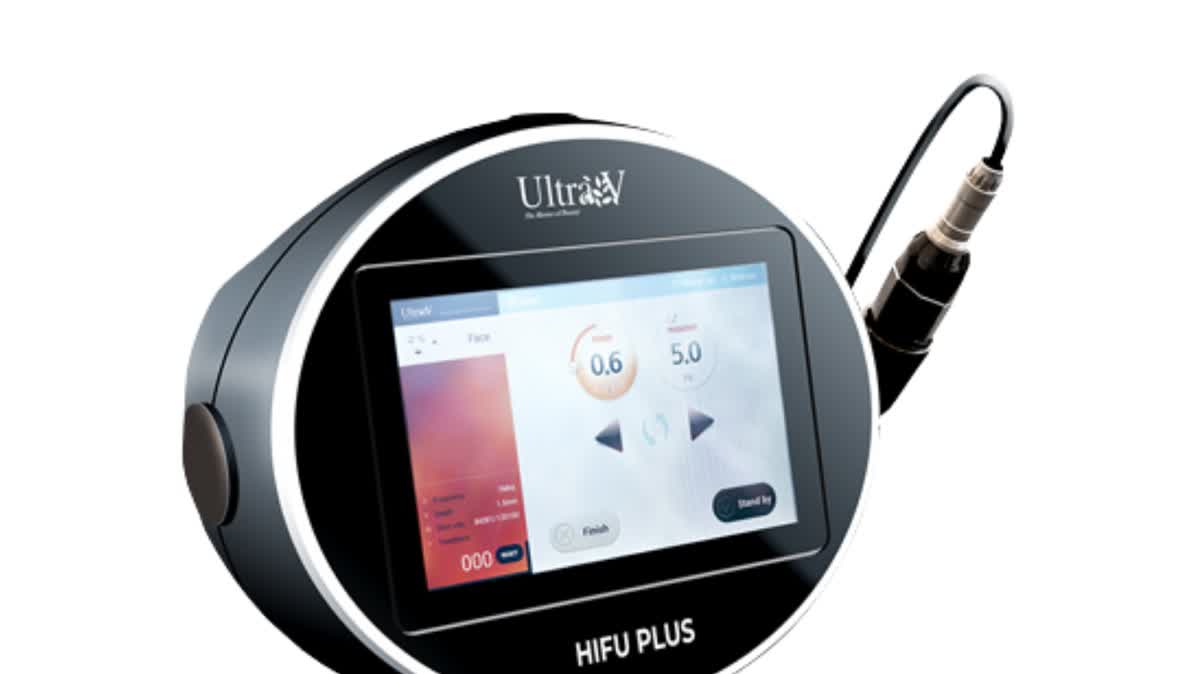
At Mediqueen Clinic, energy-based skin-tightening treatments are overseen by a doctor holding Thai medical license No. 37670, who assesses each patient's skin and develops an individualized treatment plan. One of the clinic's services is Ultra V HIFU Plus, a HIFU technology used for skin tightening and facial contour lifting. Those interested can contact the clinic directly for details and current pricing.
Whether you choose RF or HIFU, a careful assessment by a doctor who understands your skin condition, together with an ongoing aftercare plan, matters more than the technology's name. These steps help tailor treatment to your goals and individual safety considerations over time.
FAQ
Will I see results immediately after one RF or HIFU session?
Neither treatment typically produces the pronounced, immediate lifting effect associated with surgery. A key mechanism is stimulating the body to gradually produce new collagen. RF improvements may become noticeable over approximately 4–8 weeks, while HIFU improvements may develop over approximately 8–12 weeks. Results vary depending on each person's skin condition.
How does discomfort differ between RF and HIFU?
RF typically feels warm or hot but tolerable because energy is distributed across a broader area. HIFU may produce brief tingling sensations or a dull ache at individual treatment points as focused energy reaches deeper tissues, potentially including the SMAS. HIFU is often more uncomfortable than RF. The doctor may adjust energy settings according to each person's tolerance and treatment requirements.
Can RF and HIFU be combined?
They may be combined in some cases at the doctor's discretion. Because the technologies can target different tissue depths, combining them may help address both superficial skin quality and deeper structures. A doctor should always assess suitability and plan the treatment sequence and timing beforehand. Do not arrange combined treatments without medical advice.
How should I care for my skin after RF or HIFU?
Avoid intense sun exposure and apply sunscreen regularly to protect the skin while it recovers. Avoid excessive heat, such as saunas or steam rooms, for the first 1–2 days or as advised by your doctor, and stay adequately hydrated to support normal recovery. Consult your doctor promptly if you develop unusual swelling or redness.
Who should avoid RF or HIFU?
People with pacemakers or metal implants in the treatment area, those who are pregnant, those with open wounds or active skin inflammation in the area, and those with uncontrolled chronic skin conditions may need to avoid treatment, depending on the device and medical assessment. Always provide your doctor with a detailed medical history before deciding to undergo a procedure.
⚠️ Results vary by individual · general information, not personal medical advice · please consult a doctor before deciding.
Free consultation on LINE